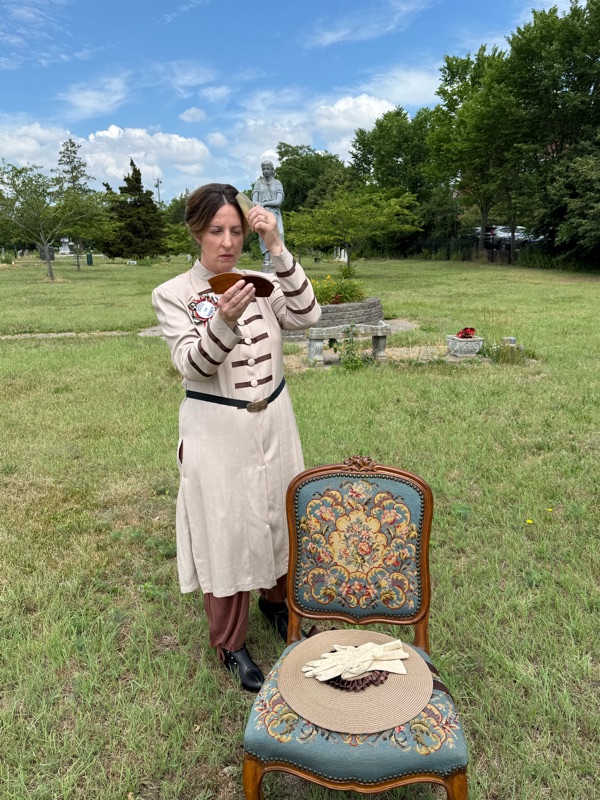
Elizabeth Oakes Smith speaks about the mid 19th Century Dress Reform movement at the site of her former home in Patchogue and the location of the original Patchogue Lyceum.
The video below was made during the summer of the 250th Anniversary of the USA to garner support for the effort to maintain and preserve Lakeview Cemetery in Patchogue Village, NY, where she and Seba Smith are buried.
Locations in this video:
Lakeview Cemetery, Patchogue Village, NY: the site of the graves of Elizabeth Oakes Smith and Seba Smith.
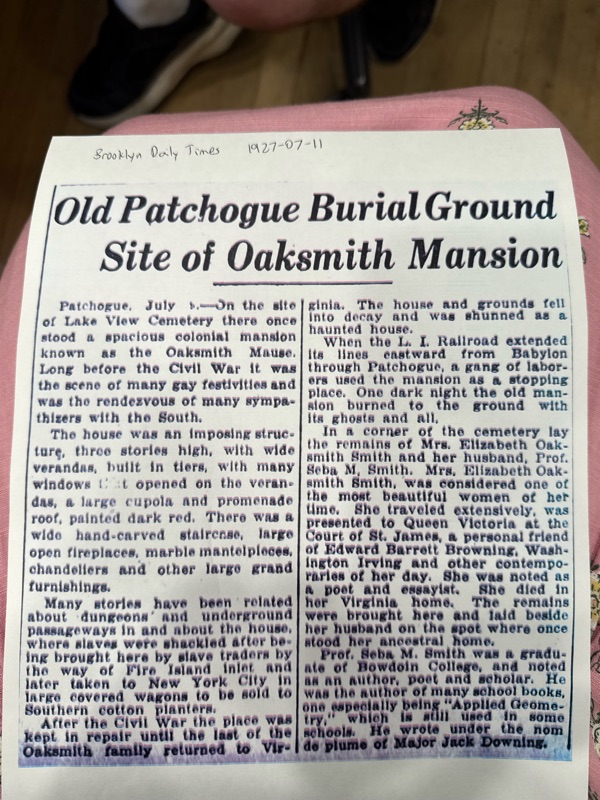
Lakeview Cemetery property: also the location of Oakes-Smith’s home: The Willows, which burned down in 1881.
Recreating a costume in the spirit of the 1850’s Reform Dress Movement was fun and interesting.
The Reformation of Women’s clothing was a short lived effort by forward-thinking early suffragettes that was widely promoted by the first female newspaper editor Amelia Bloomer.
In her pamphlet, “Hints on Dress and Beauty,” Elizabeth Oakes Smith describes her own idea of reform dress.
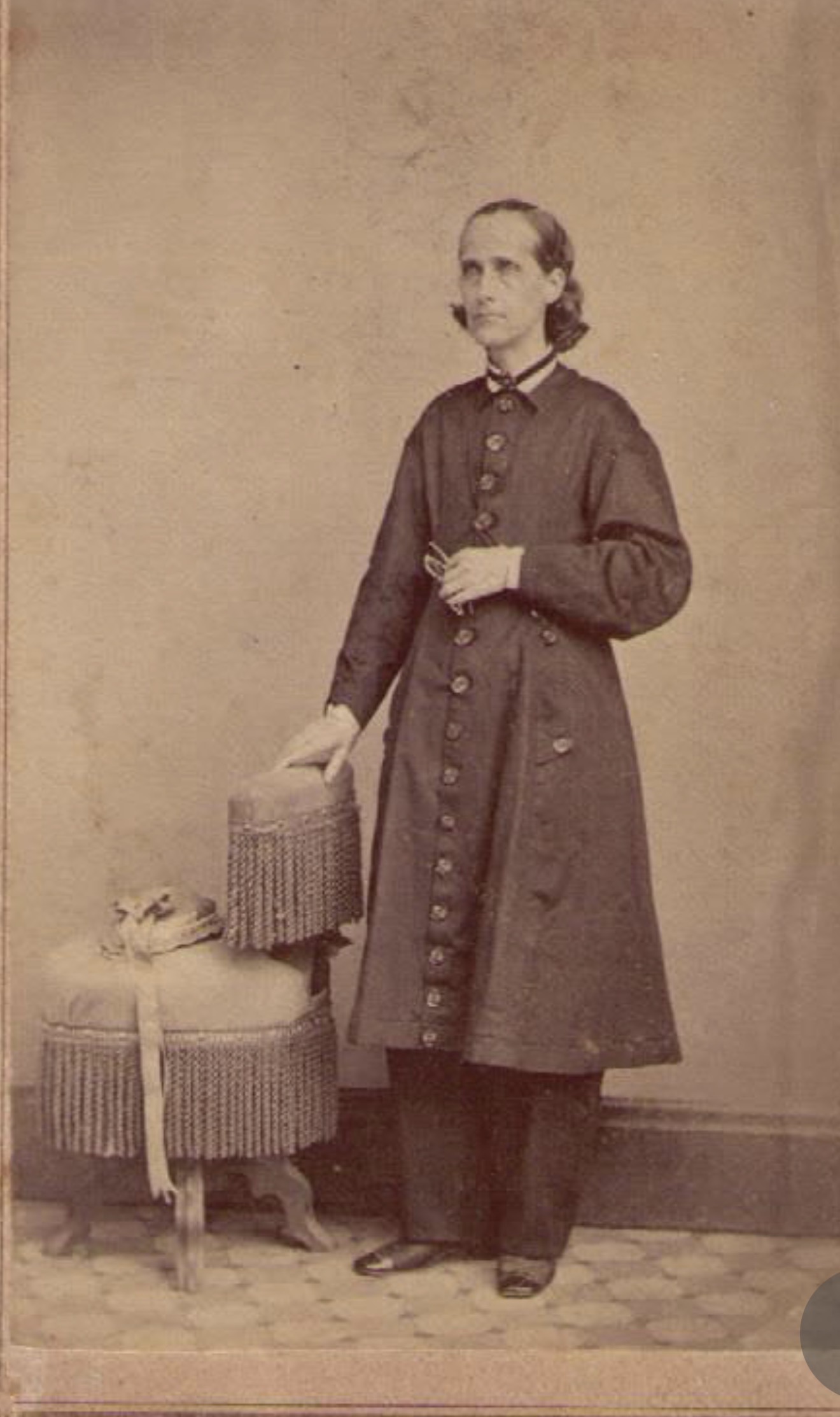
“Let us have a simple Grecian jacket or sack, reaching below the knee, with pockets upon each side, buttoning from the throat downward … Trousers of the same material for the street... A small, snug covering for the head, perhaps a Gypsy hat; and boots such as are worn by ladies of rank in Russia, which can be put on without the trouble of lacing.”[1]
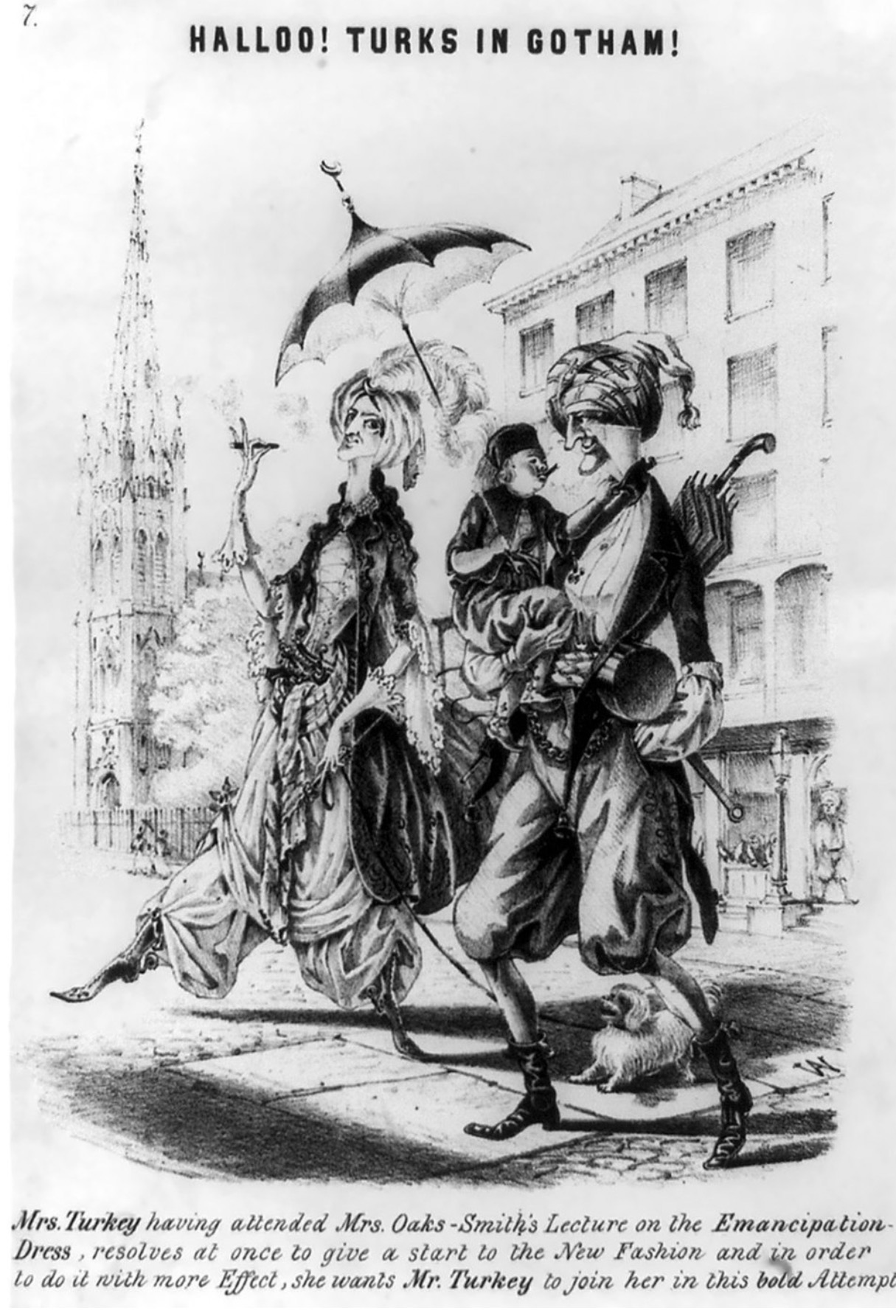
Newspaper editors mocked Elizabeth Oakes Smith’s lectures on reform dress. The cartoon below is titled “Halloo! Turks in Gotham” [2]
Text reads:
“Mrs. Turkey, having attended Mrs. Oakes Smith’s lecture on the Emancipation of Dress, resolves at once to give a start to the new fashion and in order to do it with more effect, she wants Mr. Turkey to join her in this bold attempt.”
Notice that the couple’s child is also wearing Turkish dress and smoking a vice associated with Turks.
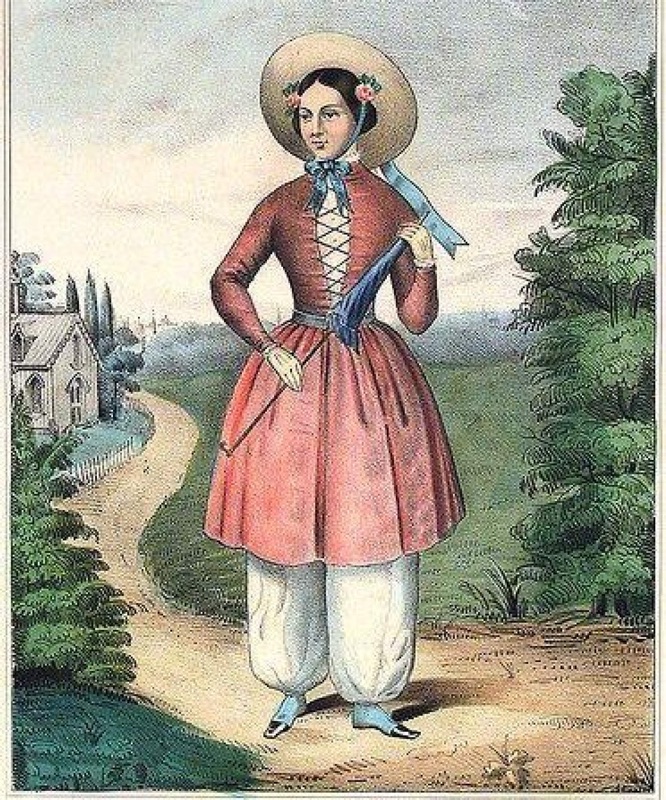
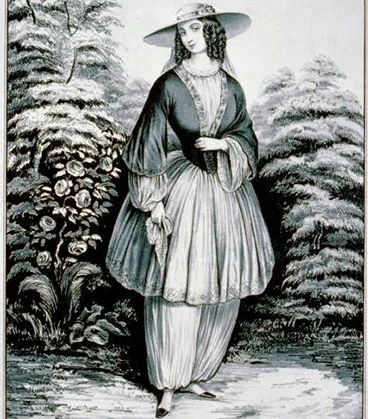
Here are some examples of dress modifications during the 1850’s and 1860’s:
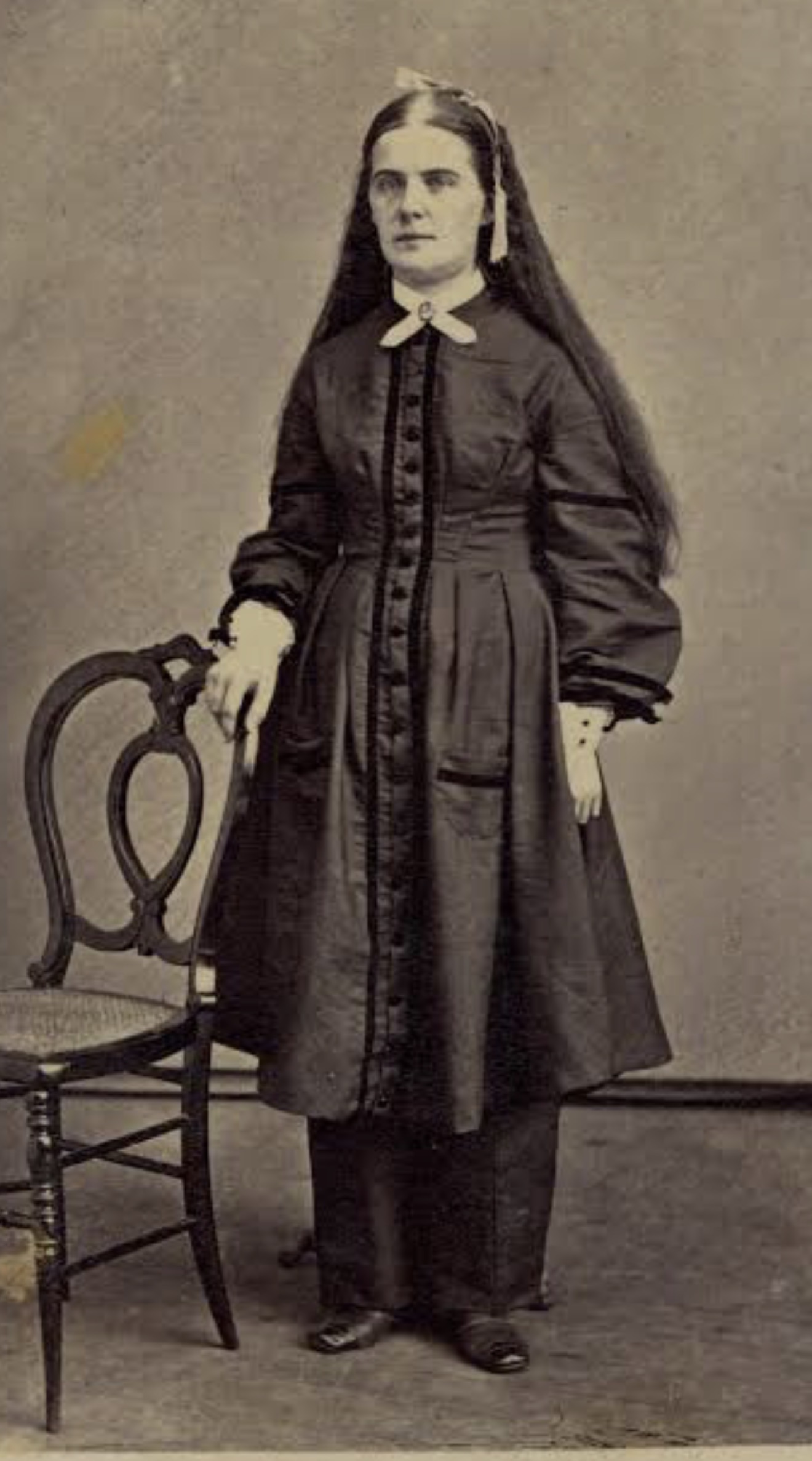
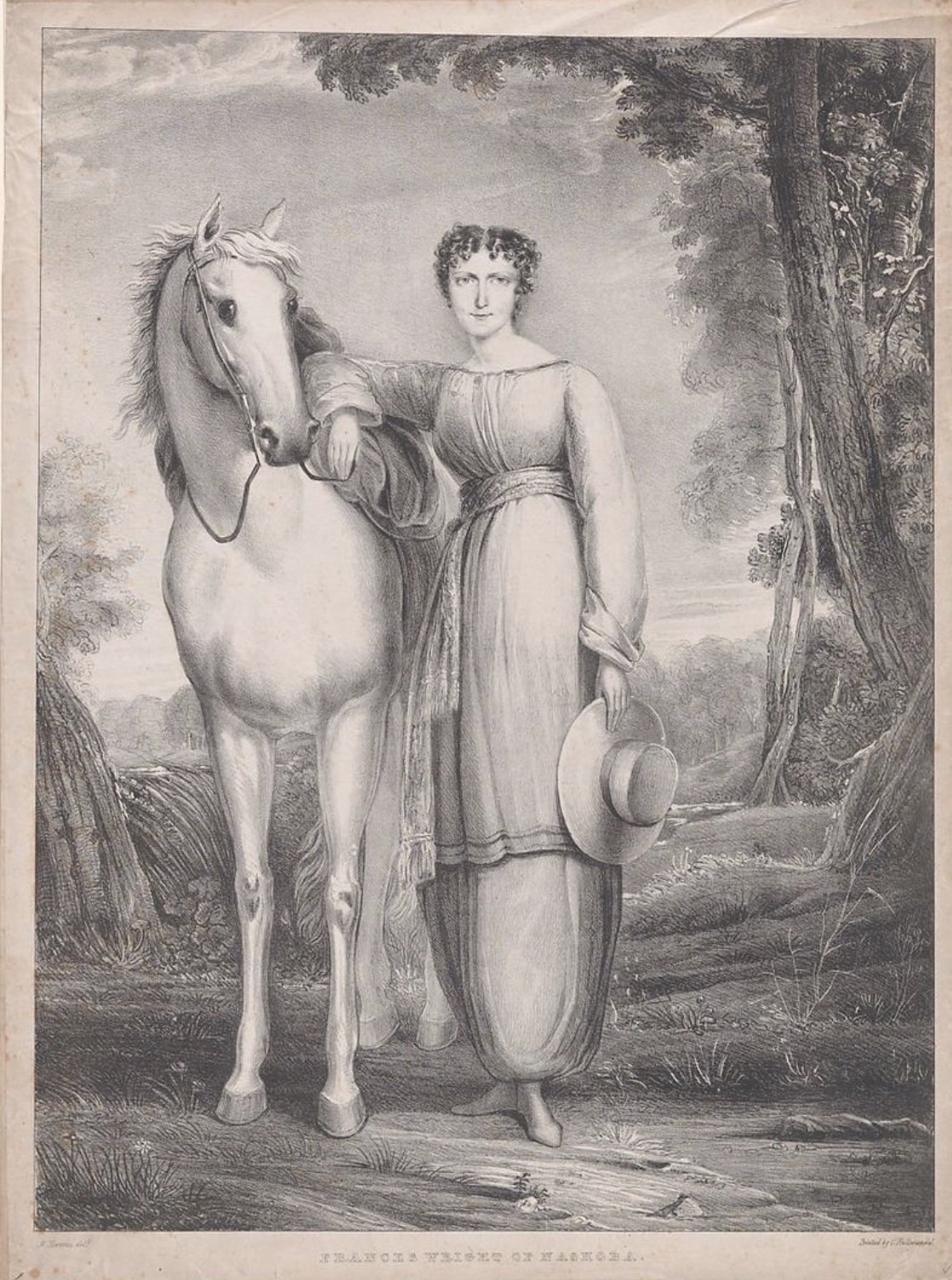
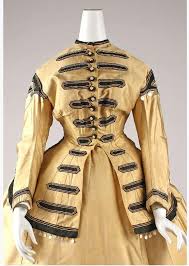
My costume has a military flare based on this American Victorian Era day dress from 1860-1865 on display at the Metropolitan Museum of Art in New York City:
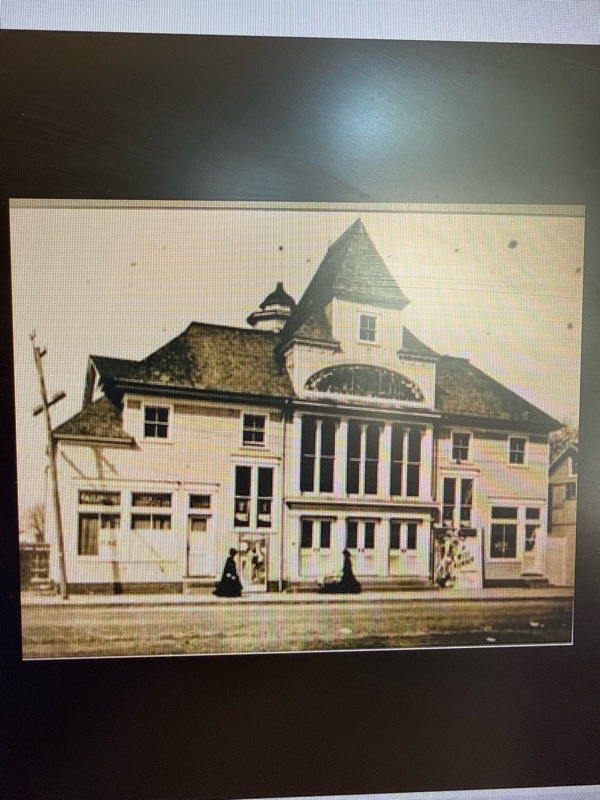
The scene by Reese’s 1900 restaurant is believed to be the approximate location of the early Patchogue Lyceum.
Pictured below: Lake Street, Patchogue Village: On the site of the two apartment buildings next to Reese’s 1900 Restaurant stood the Lyceum Theater, a vibrant social and entertainment hub established in 1893. The theater boasted a spacious stage on the north side and a gallery on the south side, both situated along Lake Street. Tragically, the gallery was destroyed by fire in the early 1920s.
Find out more about the historic Lakeview Cemetery here:
Friends of Lakeview Cemeteries
Cemetery Preservation Fundraiser: Weekend on Fire Island Giveaway:
https://www.patchoguecemetery.org/event-details/win-a-weekend-on-fire-island-2
What do you mean you do not see a house??
More about The Willows, Patchogue home of Elizabeth Oakes Smith:
- Birth & Life: Born December 12, 1757, in Brookhaven, NY to parents Elnathan Wickes and Rachel Dingee. He later settled and lived out his years in Patchogue.
- Death: Passed away on September 24, 1842, in Patchogue.
- Genealogical Record: His family and lineage (often spelled Wickes or Weekes) are heavily tied to the early settlements of Suffolk County.
Footnotes:
1-Oakes Smith, Elizabeth. “Hints on Dress and Beauty,” pages 56-57. LINK
2- “Halloo! Turks in Gotham,” 1851. Library of Congress.
For more information about Elizabeth Oakes Smith, visit www.oakes-smith.org.
Here is a blog post on Lakeview Cemetery, Patchogue, NY, listing more grave history, including the sailors graves shown in this video:
https://historyandheadston.wixsite.com/historyheadstones/post/lakeview-cemetery
For further reading:
Catterall, Sara, Amelia Bloomer: Journalist, Suffragist, Anti-fashion Icon. Belt Publishing, Pittsburgh, PA, 2025
No comments:
Post a Comment